Leave A Message
If you are interested in our products and want to know more details,please leave a message here,we will reply you as soon as we can.


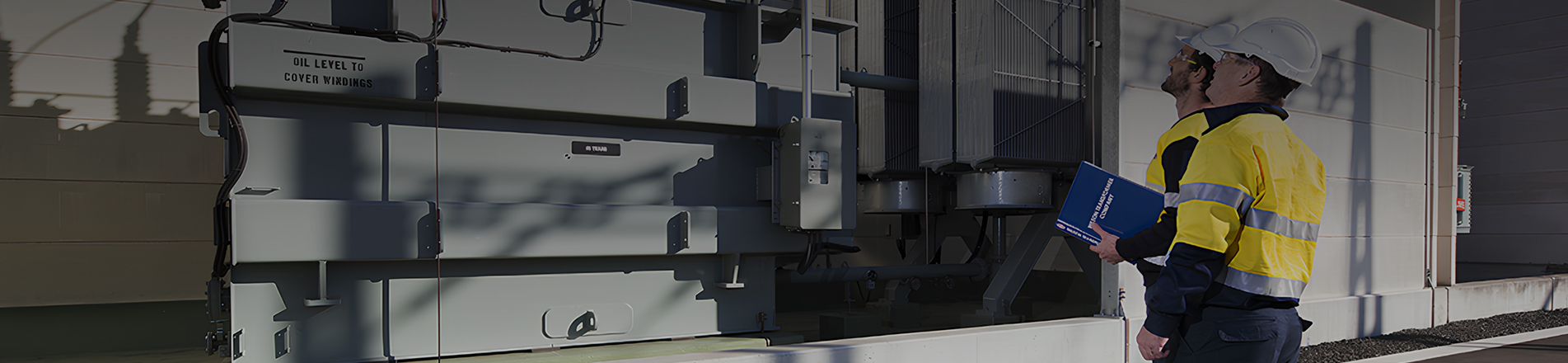
Selecting the right industrial equipment is not just about matching voltage numbers; it is a critical engineering decision that impacts grid stability, operational costs, and the overall safety of your power distribution system. As modern manufacturing facilities and energy grids grow more complex, the demand for highly efficient and durable power solutions has never been greater. With various capacities, cooling methods, and winding materials available on the market, making the correct choice requires a thorough understanding of your project's specific operational environment. In this comprehensive engineering guide, we will break down the essential steps and core technical parameters to help procurement teams and electrical engineers seamlessly source the perfect industrial power transformer for their next heavy-duty project.
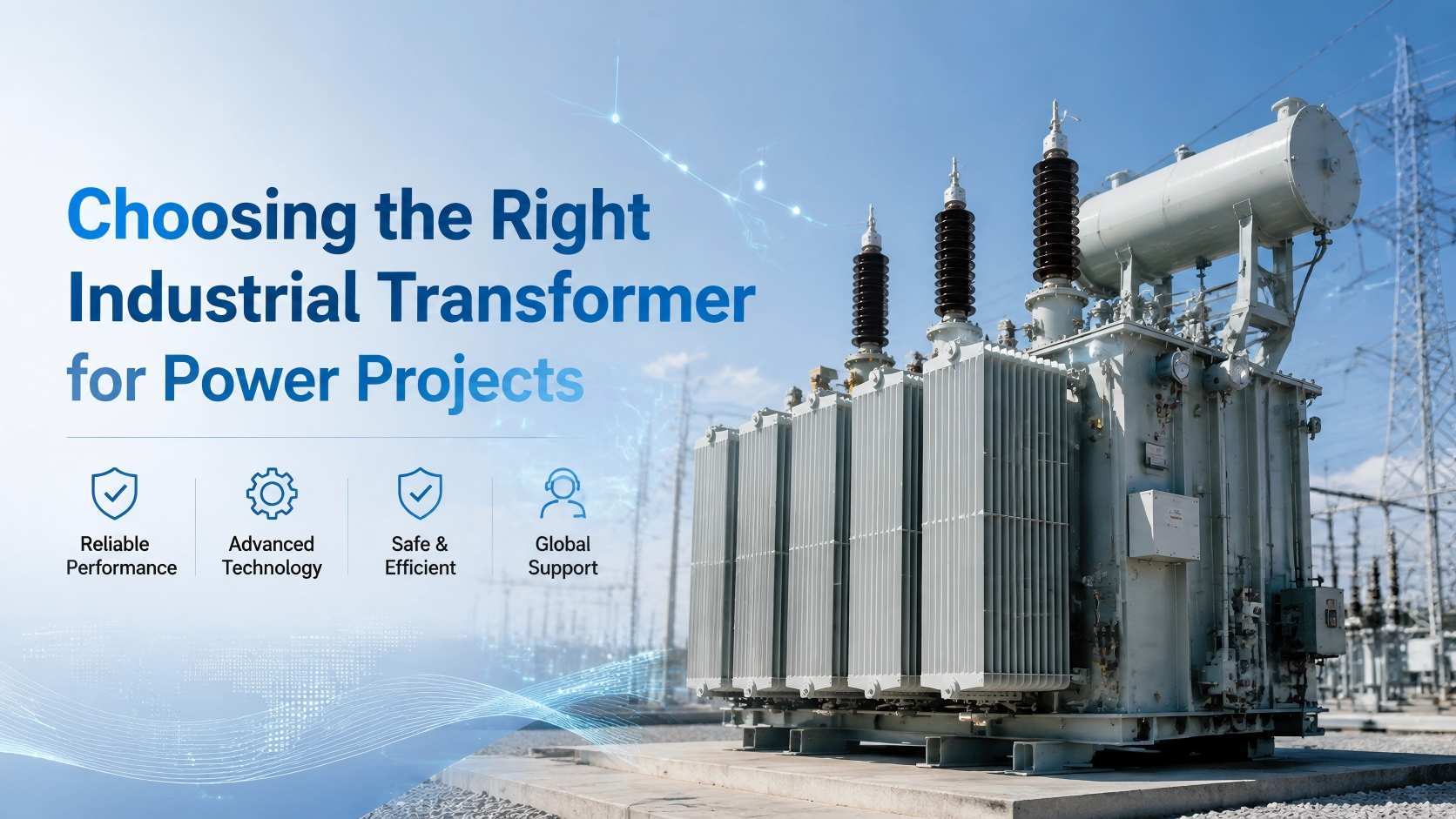
The fundamental purpose of this equipment is to step up or step down voltage safely with minimal energy loss. You must accurately identify your primary (input) voltage from the utility grid and the secondary (output) voltage required by your machinery. For heavy manufacturing, motor loads, and large-scale commercial facilities, three-phase industrial transformers are the absolute standard due to their stable power delivery, balanced load distribution, and higher electrical efficiency compared to smaller single-phase units.
Equally important is sizing the equipment correctly, which is measured in kilovolt-amperes (kVA). Undersizing leads to dangerous overheating and premature failure, while oversizing wastes capital and increases idle core losses. To determine the right size, sum up the total wattage of all connected equipment, distinguishing between continuous and intermittent loads, and account for motor inrush currents. As a standard engineering rule, always add a 20% to 25% safety margin to your calculated base transformer capacity. This critical buffer accommodates future facility expansions and prevents continuous full-load stress.
The physical environment—including ambient temperature, humidity, and atmospheric contaminants—where the equipment will be installed dictates both the required enclosure protection and the cooling method. Dry-type cast resin transformers are cooled by natural or forced air ventilation and utilize solid epoxy resin encapsulation for their windings. Because they are virtually fireproof, self-extinguishing, and pose zero risk of toxic fluid leaks, they are the mandated choice for indoor installations, underground transit systems, commercial high-rises, and hospitals.
Conversely, oil-immersed power transformers provide superior thermal heat dissipation through highly refined mineral oil or synthetic dielectric fluids. They are engineered to handle massive voltage capacities and offer incredible longevity in rugged outdoor conditions. They are generally the most cost-effective solution for large-scale utility grids, solar photovoltaic farms, and heavy mining operations. Additionally, you must consider the enclosure rating (such as NEMA or IP) to match the site's environmental hazards.
Beyond capacity and cooling, evaluating energy efficiency is crucial for minimizing the Total Cost of Ownership. Because these units operate continuously 24/7, even minor inefficiencies can lead to massive electricity costs over a 25-year lifespan. When comparing models, engineers must evaluate both no-load losses (energy consumed by the magnetic core just by being energized) and load losses (heat generated in the windings during operation). Opting for a high-efficiency energy-saving transformer built with advanced amorphous metal cores or high-grade silicon steel can significantly reduce these losses, offering a rapid return on investment while supporting corporate sustainability goals.
As industrial facilities transition toward Industry 4.0, passive power distribution is no longer sufficient. Upgrading to a smart distribution transformer equipped with integrated IoT sensors is rapidly becoming an industry standard. These intelligent systems provide real-time data on critical operational parameters such as oil temperature, pressure levels, dissolved gases, and unexpected load fluctuations. This continuous monitoring enables predictive maintenance, allowing facility managers to identify potential faults before they cause catastrophic downtime, thereby extending the equipment's lifecycle and ensuring uninterrupted production.
Use the following matrix to quickly verify the essential specifications before requesting a customized engineering quote for your project.
| Evaluation Factor | Engineering Considerations |
|---|---|
| Power Rating (kVA) | Calculated total system load + 20% to 25% safety headroom for future expansion. |
| Cooling Technology | Dry-Type for indoor/fire-safe zones; Oil-Immersed for high-capacity outdoor infrastructure. |
| Winding Material | Copper for maximum conductivity and strength; Aluminum for budget-friendly utility scale. |
| Efficiency & Sensors | Evaluate no-load/load losses and consider adding IoT sensors for predictive maintenance. |
| Enclosure (IP/NEMA) | Match the structural rating strictly to environmental hazards (dust, moisture, corrosive chemicals). |
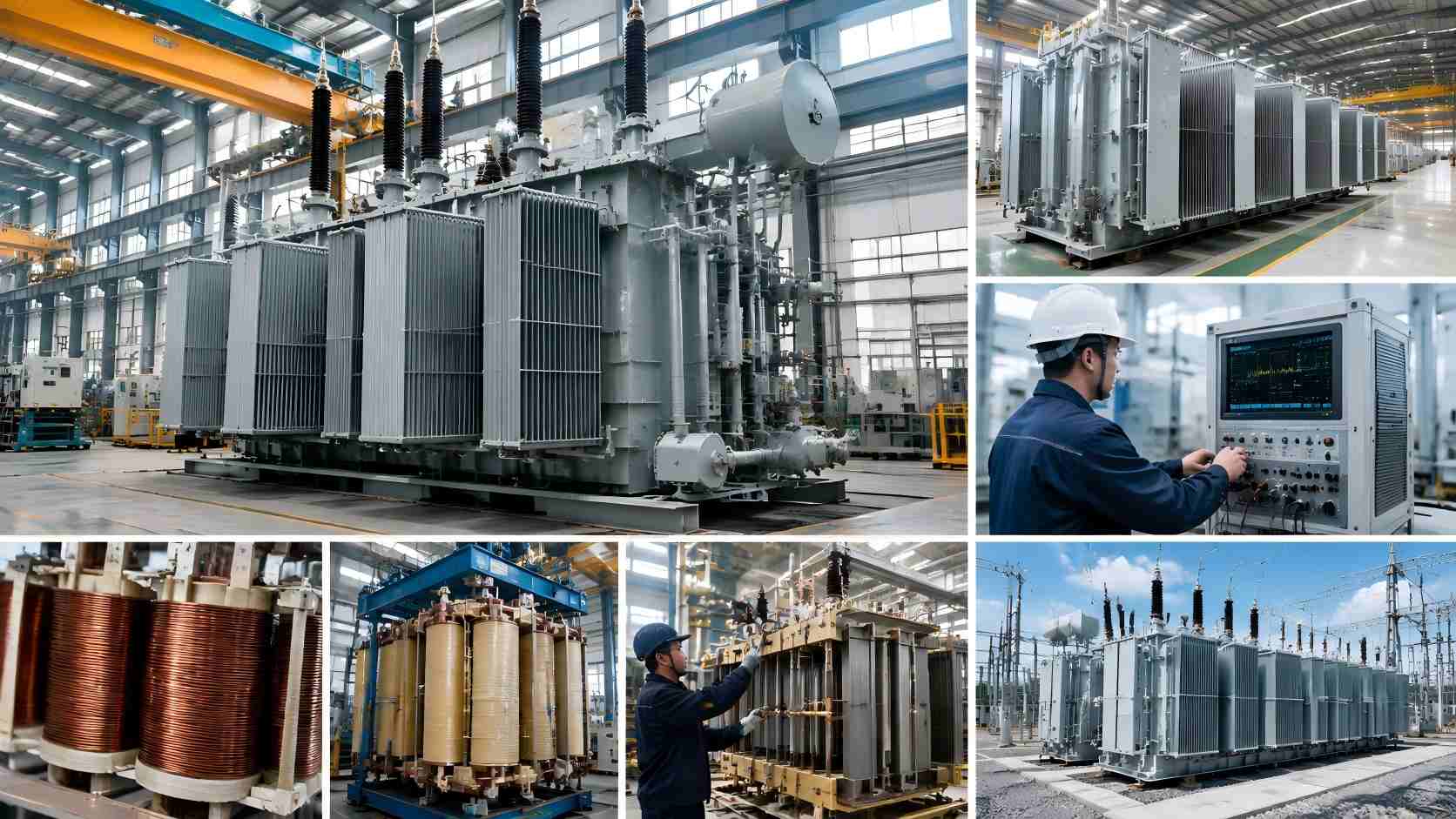
Choosing the right technical specifications means little if the equipment fails to meet global safety standards. Ensure the equipment complies with rigorous international grid codes by choosing CE, UL, or IEC certified transformers. Partnering with a manufacturer that operates under strict ISO quality management systems guarantees that your equipment undergoes comprehensive Factory Acceptance Testing (FAT), ensuring long-term reliability before it even leaves the production line.
Furthermore, standard off-the-shelf products might not perfectly align with complex industrial setups or specific harmonic distortions. Working directly with a certified OEM/ODM factory allows for deep technical customization—from tailored physical dimensions and specialized K-factor ratings to specific impedance requirements—ensuring a flawless and highly efficient integration into your existing power infrastructure.
Copper offers superior electrical conductivity, mechanical short-circuit strength, and allows for a more compact core design, making it ideal for space-constrained or extremely high-reliability applications. Aluminum is significantly lighter and more cost-effective, making it a highly reliable and popular choice for large-scale utility projects where weight constraints and overall budget are primary concerns.
Adding an engineered safety margin prevents the unit from operating at 100% capacity continuously, which can cause severe overheating, degrade the insulation, and reduce its operational lifespan. It also safely accommodates motor startup inrush currents and provides essential headroom for adding more machinery to your facility in the future without needing an immediate upgrade.
No-load losses (core losses) occur continuously as long as the unit is energized, regardless of whether any power is being drawn by the facility. Load losses (copper losses) occur in the windings and vary depending on the actual electrical load being drawn. Evaluating both is essential for calculating the true operational cost of the equipment.
Absolutely. As an experienced industrial manufacturer, we offer extensive OEM/ODM customization services. We can engineer equipment with high IP/NEMA rated enclosures for severe dust, specialized anti-corrosion coatings for offshore or marine environments, and heavy-duty cooling systems designed specifically to operate reliably in extreme ambient temperatures.