Global power grids are experiencing unprecedented structural pressure. A confluence of rapid urban densification, the accelerated adoption of electric vehicles, and the widespread integration of distributed energy resources (DERs) like solar and wind has transformed the traditional model of central power generation. Electrical utilities and industrial enterprises are no longer just delivering electricity; they are managing complex, dynamic energy ecosystems that demand exceptional speed, resilience, and adaptability.
For decades, expanding power capacity meant constructing traditional brick-and-mortar substations. These expansive civil engineering projects required massive land footprints, multi-year permitting processes, extensive site preparation, and month-long on-site assembly of individual components. In today’s fast-moving industrial landscape, where project timelines are measured in weeks rather than years, this legacy approach frequently creates costly bottlenecks.
To overcome these limitations, modern electrical engineering has embraced pre-engineered, factory-assembled modular architectures. Implementing comprehensive Compact Substation Solutions has become a primary strategy for utilities, renewable energy developers, and industrial operators seeking to drastically reduce spatial footprints, lower total cost of ownership, and enhance grid elasticity without compromising safety or performance.
Rethinking Infrastructure: The Shift from Civil Works to Modular Engineering
The core philosophy behind compact power distribution lies in the seamless integration of high-voltage switchgear, step-down or step-up power transformers, and low-voltage distribution panels within a single, fully enclosed housing. By shifting the bulk of construction and testing from the unpredictable outdoor field environment to a controlled factory setting, engineers can eliminate hundreds of hours of site-related risk.
Traditional substations often suffer from construction delays caused by adverse weather, labor shortages, and complex multi-vendor component integration on-site. Modular substations, by contrast, arrive at the location pre-wired, factory-tested, and ready for immediate connection.
Feature / Operational Dimension
Traditional Masonry Substation
Outdoor Compact Substation
Temporary Mobile Substation
Physical Footprint
Extremely large (Requires dedicated land & multi-room buildings)
Highly compact (Occupies a few square meters on a pad)
Ultra-compact (Fits standard ISO container or trailer chassis)
Deployment Timeline
6 to 18 months
2 to 6 weeks
Hours to days (Plug-and-play capability)
Civil Work Requirement
Extensive foundations, walls, cable trenches, and roofing
Minimal (Requires only a leveled concrete pad)
Near zero (Leveled ground or temporary support pads)
Environmental Protection
Dependent on building maintenance & room HVAC systems
Superior (Corrosion-resistant, hermetically sealed enclosures)
Engineered for rugged, high-vibration industrial sites
Relocation Potential
Zero (Fixed permanent structure)
High (Can be unbolted and crane-lifted to new sites)
Maximum (Trailer-mounted or skid-mounted for continuous mobility)
Outdoor Oil Immersed Compact Substations: Engineered for Heavy Loads and Harsh Climates
When power infrastructure must operate outdoors continuously over decades, environmental exposure presents severe risks. Extreme ambient temperatures, salt fog in coastal regions, high humidity, airborne particulate matter, and intense solar radiation can quickly degrade unshielded electrical components.
In these demanding outdoor applications, oil-immersed transformer technology remains the gold standard for thermal management and dielectric strength. Unlike dry-type transformers, which rely on forced air circulation and ambient thermal dissipation, oil-immersed systems submerge the core and active windings in specialized dielectric liquid—typically highly refined mineral oil or biodegradable synthetic esters.
1. Advanced Thermal Convection and Overload Capability Dielectric oil functions simultaneously as a high-performance electrical insulator and a highly effective heat transfer medium. Heat generated within the transformer coils during operation is transferred via natural thermosiphon convection (or forced pump circulation) to external radiator panels or corrugated tank walls. This superior cooling mechanism grants oil-filled transformers a significantly higher thermal time constant, allowing them to handle sudden, severe load spikes—such as peak evening residential demand or heavy industrial motor startups—without incurring insulation damage.
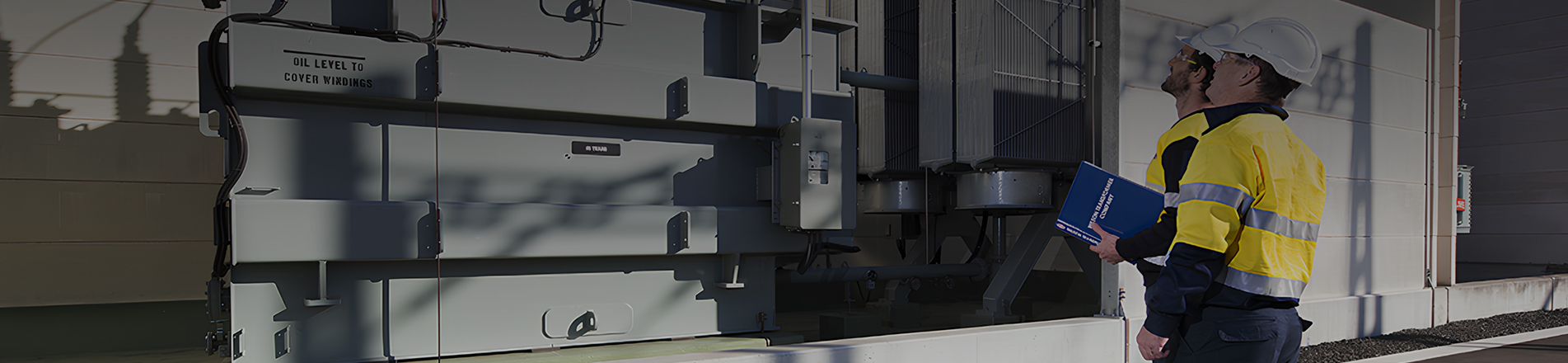
2. Sealed Defense Against Atmospheric Degradation Because the active electrical core is completely encapsulated within a hermetically sealed tank, it remains entirely isolated from external atmospheric contaminants, moisture, and oxygen. This design virtually eliminates the risk of winding oxidation or dielectric breakdown caused by humidity ingress. When selecting an Outdoor Oil Immersed Compact Substation for utility distribution or industrial facilities, operators benefit from heavy-gauge steel enclosures treated with multi-layer anti-corrosion coatings. These pad-mounted units feature tamper-resistant, dead-front construction that ensures complete public safety while blending unobtrusively into commercial or suburban landscapes.
3. Aesthetic Integration and Spatial Efficiency Pad-mounted oil-immersed substations feature a low-profile design, often finished in neutral tones to blend seamlessly with landscaping or industrial architecture. By housing the high-voltage ring main unit (RMU), oil transformer, and low-voltage distribution board in adjoining compartmentalized sections within a single cabinet, these units eliminate the need for overhead line drops and exposed busbars, drastically improving both visual quality and site safety.
Temporary Power Mobile Substations: The Rapid-Deployment Workhorses
While fixed compact substations resolve spatial and environmental challenges for permanent installations, modern industries increasingly encounter scenarios where electrical demand is inherently transient, unpredictable, or geographically shifting. In these dynamic environments, permanent infrastructure is economically impractical and logistically impossible.
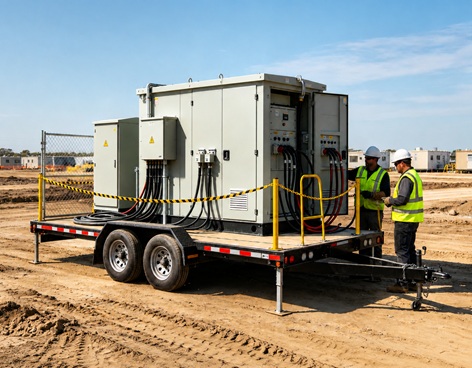
Mobile substations represent the apex of fast-response power engineering. By mounting complete high-voltage to medium-voltage distribution systems onto heavy-duty road trailers, multi-axle skids, or standardized ISO shipping containers, electrical engineers have created a mobile power asset capable of rapid deployment anywhere accessible by road or heavy haulers.
1. Mining, Extraction, and Heavy Civil Engineering In open-pit mining, quarrying, and major tunnel construction, the active working face continuously moves as mineral extraction progresses. Massive electric draglines, hydraulic shovels, and mobile crushing plants consume megawatts of power but must relocate frequently. A stationary substation would quickly leave equipment stranded beyond economical cable transmission lengths. Trailer-mounted mobile substations move alongside the mining operation. Fitted with reinforced structural framing, heavy-duty vibration isolators, and quick-connect medium-voltage couplers, these units allow operators to maintain short cable runs, minimize line losses, and relocate entire power distribution nodes in a single shift.
2. Emergency Response and Grid Restoration When severe weather events, natural disasters, or unexpected equipment failures paralyze a primary utility substation, restoring power to critical infrastructure—such as hospitals, water treatment plants, and emergency communications—is a race against time. Rebuilding a damaged conventional substation bay can take weeks or months. Mobile substations serve as immediate grid replacements. Equipped with integrated protection relays, lightning arresters, and pre-wired cable reels, these units can be hauled to the site, grounded, connected to overhead or underground lines, and energized within hours of arrival.
3. Uninterrupted Power During Maintenance and Upgrades As power utilities modernize aging transformer fleets, performing major overhauls or transformer replacements traditionally required extended planned outages for downstream consumers. By connecting a mobile substation in parallel as a temporary bypass, utilities can isolate the primary transformer bay for maintenance while maintaining uninterrupted service to thousands of customers, thereby avoiding substantial regulatory penalties and lost revenue.
Smart Integration: Converting Modular Hardware into Intelligent Grid Assets
The physical compactness and mobility of modern substations are further enhanced by digital intelligence. The convergence of Industrial Internet of Things (IIoT) architecture, smart sensors, and edge computing has transformed these modular enclosures into highly transparent nodes within modern smart grids.
Historically, monitoring remote or temporary substations required physical site visits by maintenance crews. Today, integrated sensor arrays continuously monitor vital parameters:
Thermal Metrics: Real-time top-oil and winding temperature tracking.
Dielectric Health: Moisture-in-oil sensors and online dissolved gas analysis (DGA) to detect early insulation degradation.
Electrical Dynamics: Microprocessor-based protection relays logging voltage fluctuations, harmonic distortion, and load profiles.
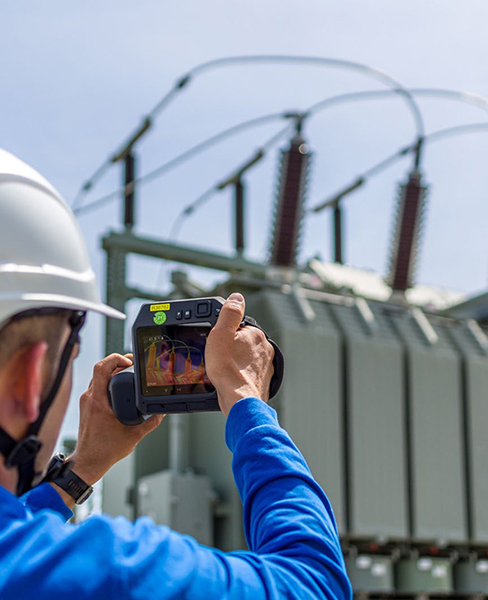
Environmental Security: Intrusion detection, internal ambient humidity sensors, and automated fire suppression status.
These data streams are transmitted wirelessly via secure 5G or satellite communication links back to central Supervisory Control and Data Acquisition (SCADA) platforms. Advanced machine learning algorithms analyze these operational metrics in real time, shifting maintenance strategies from reactive troubleshooting to predictive health management. This intelligent oversight ensures that whether a substation is bolted permanently to a city pad or towed across a dusty mining haul road, operator intervention occurs before minor anomalies escalate into catastrophic failures.
Building a Flexible and Resilient Power Infrastructure
The transformation of the global energy landscape requires a fundamental shift in how electrical power is distributed and managed. The rigid, slow-to-deploy civil engineering models of the past are rapidly giving way to flexible, modular, and highly adaptable distribution paradigms.
Fixed outdoor compact units and highly maneuverable mobile stations work in tandem to solve the dual challenges of space constraints and operational volatility. Compact, oil-immersed configurations provide the durable, weather-resistant foundation needed for long-term urban density and heavy industrial expansion. Meanwhile, containerized and trailer-mounted systems offer unmatched operational agility, serving as dynamic bridges during utility maintenance, emergency disruptions, or shifting industrial extractions.
For project planners, utility engineers, and industrial site managers, investing in agile distribution equipment significantly reduces capital exposure, shortens construction lead times, and safeguards operational continuity. In situations where rapid deployment is paramount or when heavy industrial operations relocate across challenging geographical terrains, deploying a pre-tested, plug-and-play Temporary Power Mobile Substation provides an immediate, high-reliability power solution that keeps critical equipment running without interruption. Embracing these advanced modular substation strategies ensures that power grids remain resilient, versatile, and fully prepared to power the industries of tomorrow.